Yes. Ask how they came up with the offer. If their fixed-up value seems too low or their repair estimate seems too high, push back. Getting a second offer is the easiest way to test the first.
Key Takeaways
 1. Cash offers depend on the type of buyer. Traditional cash buyers may pay close to market value, while real estate investors typically offer less to account for repairs, holding costs, and resale expenses.
- 2. Maine home values vary significantly by county. As of August 2026, the typical Maine home price was around $424,550, with Cumberland County at $621,500 and York County at $589,500.
- 3. Property condition is a major factor in cash offers. Homes requiring major repairs, such as roof replacement, septic repairs, or basement work, generally receive lower investor offers.
- 4. A lower cash offer can result in higher seller proceeds. After accounting for agent commissions, closing costs, price negotiations, and holding expenses, a cash sale may leave sellers with more money.
- 5. Cash sales offer significant time savings. Traditional sales can take around two months, while some cash buyers can close in as little as 10 days.
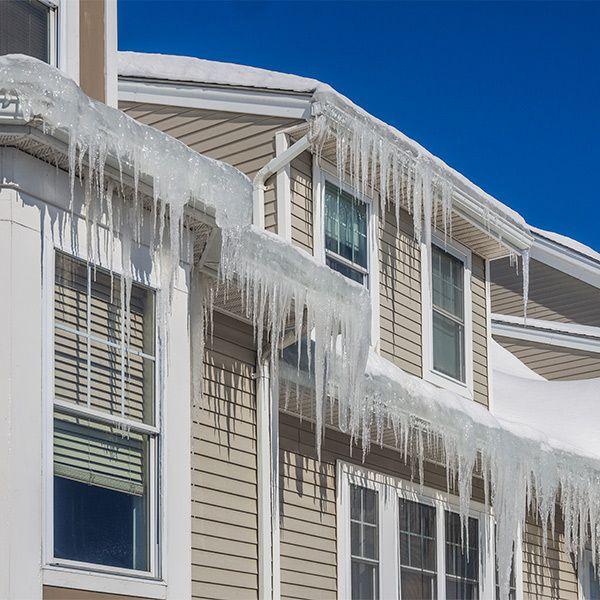
- 6. Holding an empty property can become expensive. Heating oil, property taxes, insurance, utilities, and maintenance costs can significantly reduce the seller's final profit, especially during Maine's winter months.
- 7. Not all cash buyers are equally reliable. Sellers should distinguish direct cash buyers from wholesalers and verify proof of funds, contract terms, repair deductions, and closing costs before signing.
- 8. Cash sales are particularly beneficial in specific situations. Inherited properties, homes requiring major repairs, foreclosure situations, tenant-occupied properties, divorce, and relocation are common scenarios where selling for cash makes sense.
- 9. Sellers should compare net proceeds, not just offer prices. The most important metric is how much money the seller actually receives after all expenses and deductions.
- 10. Getting multiple offers helps ensure a fair deal. Comparing cash offers with a traditional listing estimate allows homeowners to understand their options and make an informed decision.
It depends on who the cash buyer is. A regular buyer paying cash for a move-in-ready home usually pays close to full price. That's typically about 10% less than a buyer with a mortgage would pay.
An investor or "we buy houses" company pays less. They have to pay for repairs, keep the house while they fix it, and then resell it. The more work your house needs, the lower their offer.
This guide uses real, current Maine numbers: what homes sell for in your county, what investors actually paid, and what you'd take home after costs.
We're a cash home buyer in Maine, so we know how the scene works from inside out. We'll show you the math, including when listing with an agent will get you more money.
Maine Numbers at a Glance (October 2026)
| What | Number |
|---|---|
| Typical Maine home price (August 2026) | $424,550, up about 4% from last year |
| Typical price in York County (June to August) | $589,500 |
| Typical price in Cumberland County (June to August) | $621,500 |
| Real estate agent commission | About 5.7%, or roughly $24,200 on a $424,550 home |
| Maine transfer tax (seller's share) | About $930 on a $424,550 home |
| What investors typically pay | About 82 cents for every dollar they later sell the house for, before repairs |
| Heating oil (late September) | $6.02 a gallon, a record high |
Sources for every number are listed and referenced throughout the guide.
What Do Cash Buyers Actually Pay in Maine?
"Cash buyer" can mean five very different kinds of buyer. Each one decides on a price differently, so it helps to know which one you're talking to.
| Buyer | How they set the price | What to expect | Best for |
|---|---|---|---|
| A regular buyer paying cash (a family, a retiree, or someone moving to Maine) | Looks at what similar homes sold for, like any other buyer | Close to full price, sometimes a little less because the sale is more certain | Move-in-ready homes listed for sale |
| Local cash buyer (a company like ours) | Starts with what the house would sell for once it's fixed up, then subtracts repairs, costs, and profit | Below full price. The more work needed, the bigger the gap | Homes that need work, inherited homes, tight deadlines |
| Online instant buyer (like Opendoor, which now offers to buy anywhere in Maine) | A computer estimate, then an inspection and money taken off for repairs | Near full price for newer homes, minus a fee and repair costs | Newer homes in good shape |
| Wholesaler | Signs a contract to buy your house cheaply, then sells that contract to another investor | Often the lowest offer, and less likely to actually close | Rarely your best choice |
| Offer websites | Collect offers from several investors | Depends on who bids. Ignore "up to 100% of value" promises | Comparing several investor offers |
If your house is in good shape and you have a few months, you don't need an investor. The rest of this guide covers the houses and situations where a cash offer can still make sense, and how to tell if yours is fair.
What Are Maine Homes Selling for Right Now?
The typical Maine home sold for $424,550 in August 2026. But your county matters much more than the state number. A cash offer only means something when you compare it to what similar homes near you sell for.
Here are typical prices for homes sold through real estate agents from June to August 2026:
| County | Median sale price | Change from a year ago |
|---|---|---|
| Cumberland (Portland area) | $621,500 | +0.9% |
| York (Biddeford, Saco, Kennebunk, York) | $589,500 | +7.2% |
| Hancock | $527,500 | +18.5% |
| Kennebec (Augusta, Waterville) | $365,000 | +10.4% |
| Androscoggin (Lewiston, Auburn) | $360,000 | 0.0% |
| Penobscot (Bangor) | $304,000 | +4.0% |
| Washington | $243,000 | -2.8% |
| Aroostook | $175,000 | -1.1% |
| Statewide | $429,000 | +2.8% |
The statewide number here is a little higher than the $424,550 above because it covers three months instead of just August.
Two things to keep in mind:
- These are homes that sold through agents, and most were in decent shape. If your house has a failing roof, an old oil tank, or a wet basement, it probably won't sell for your county's typical price.
- You'll find other numbers online. Some websites mix in condos or use estimates. Stick with the county number above. You can use True North’s property value estimator to get your number right now.
Maine's market has also changed this year. In August, about 10% fewer homes sold than a year earlier, and more homes were for sale. That gives buyers more choices and more room to negotiate. The homes that sell are priced for their condition, and condition is what drives a cash offer.
How Do Investors Decide What to Offer?
Most investors start with one question: what would this house sell for once it's fixed up? Then they subtract the cost of repairs and everything it costs them to own, fix, and resell the house.
The rule of thumb you'll see everywhere is: the investor offers 70% of the fixed-up value, minus repairs.
For example, if your house is worth $424,550 once fixed up and needs $60,000 of work,
- 70% of $424,550 = $297,185
- Minus $60,000 for repairs = $237,185 offer
The other 30% has to cover the investor's closing costs, loan costs, taxes, insurance, and heat while the house sits empty. It also covers agent fees at resale and the chance that repairs cost more than planned.
Don’t let this stop you now! What I described above is what happens traditionally, but True North aims to get you the price you're targeting. I’ve explained it below.
Compare What You Take Home vs. the Offer
The offer price is only half the story. A list price isn't what you take home: agent commission, closing costs, price cuts during negotiation, and the months you keep paying for the house all come out of it.
Here's an example using a $547,000 home:
| Traditional sale | Cash sale with True North | |
|---|---|---|
| Price | $547,000 list price | $510,000 cash offer |
| Agent commission (6%) | -$32,820 | $0 |
| Closing costs (2%) | -$10,940 | $0 |
| Price lost in negotiation (7.2% on average) | -$39,384 | $0 |
| Holding costs (62 days) | -$4,650 | $0 |
| What you take home | About $459,000 | $510,000 |
| Time to close | About 2 months | As little as 10 days |
In this example, the lower offer leaves the seller about $51,000 more, two months sooner, with no repairs.
Every house is different, and your numbers will be too. That's why we show you the math behind our offer, so you can compare it side by side with the listing. Tell us the number you need, and we'll tell you honestly whether we can get there.
Do Regular Cash Buyers Get a Discount?
Yes, usually a modest one. The most thorough study on this found that a regular buyer paying cash pays about 10% less than a buyer with a mortgage for a similar home. Sellers accept less because a cash deal can't fall apart if the bank says no or the appraisal comes in low.
How much less depends on the market, and right now the market is slower:
- Across the US in August, homes took about a month to sell.
- More homes were for sale than at any time in over 10 years.
- Mortgage rates are higher than last year (6.76% in September, up from 6.35%).
Higher rates mean more buyers are stretching to get a loan, and more deals fall through when the bank says no. That makes a cash buyer's certainty worth more to sellers.
What Would an Empty House Cost You This Winter
If your house is empty, waiting until spring isn't free, and this winter it costs more than usual.
Maine heating oil hit a record $6.02 a gallon in late September. A full 250-gallon tank now costs about $1,505. That's about $740 more than a year ago.
Even an empty house needs heat so the pipes don't freeze. Add up your monthly costs before you decide to wait:
| Monthly holding cost | Where to find your number |
|---|---|
| Heating oil or propane | Your delivery history, at today's price |
| Property tax | Your annual bill divided by 12 |
| Homeowners insurance | Check for a vacancy clause; many policies limit coverage after 30 to 60 days empty |
| Electricity, internet for alarms | Your last bills |
| Mortgage interest | Your statement |
| Snow removal, checks on the house | Local quotes |
Then multiply the monthly total by the number of months until the sale closes. If you're holding an inherited house while the estate is settled, one winter can cost thousands before the house is even listed.
Real Cash Buyer or Wholesaler?
A wholesaler signs a contract to buy your house at a low price. Then they sell that contract to another investor and keep the difference. If they can't find an investor, the deal can fall apart after your house has been off the market for weeks.
Many states are cracking down. At least 15 have passed new rules. Missouri now requires wholesalers to warn sellers in writing, at least 14 days before closing, that the offer may be below market value and the contract may be passed on to someone else. Rhode Island now requires wholesalers to have a real estate license. Maine has no law like this yet, so you'll need to protect yourself.
Before you sign with any cash buyer, ask these six questions:
- Can you show me proof you have the money? Ask for a recent bank statement or a letter from a lender, not just a promise.
- Will you buy the house in your own name? If the contract says "or assigns," you're probably dealing with a wholesaler.
- What do you think my house is worth fixed up, and what will the repairs cost? A fair buyer can explain how they got their number.
- What could lower the price after you inspect the house? Get the answer in writing. A big price drop right before closing is the most common complaint about cash buyers.
- Who pays the closing costs and the transfer tax?
- Can my lawyer review the contract before I sign? If they push you to sign today, walk away.
When Does Selling for Cash Make Sense in Maine?
A cash sale makes the most sense when the house's condition or your situation shrinks the price you'd get on the open market anyway. These are the Maine situations we see most:
- Inherited homes. Often dated, sometimes full of belongings, and owned by out-of-state heirs. Every month of probate adds up in heat, taxes, and insurance.
- Homes needing major work. Roofs, septic systems, old oil tanks, and wet basements are common in older Maine homes, and they scare off buyers who need financing.
- Facing foreclosure. As of July 2026, 883 Maine properties were in pre-foreclosure. Selling quickly before the auction can protect whatever equity you have left.
- Tenant-occupied properties. Many retail buyers won't take on a tenant; investors do.
- Divorce or relocation. When a firm date matters more than the last few thousand dollars.
If one of these fits, a cash offer is worth getting, if only to compare. True North Home Buyers handles every one of these cases.
Want Your Real Number?
If you're weighing a cash sale, the most useful thing you can have is your own number with the math shown, so you can compare it against the listing.
Get a free property value estimate. It takes about 30 seconds, and there's no obligation.
Or simply give us a call at (603) 207-8960. We'll talk through your house, your timeline, and your options, including the ones that don't involve us.